Saturday, February 1, 2020

Vaping & Oral Health

Vaping and oral health: It's worse than you think

Drs. Scott Froum and Alisa Neymark examine the effects of e-cigarette ingredients and their notable deterioration on oral health. They offer insight into how explosions while vaping and e-cig burn injuries can disfigure oral soft tissue.
19 Jan10 Pi Aclintip T
THE USE OF ELECTRONIC CIGARETTES (E-CIGARETTES) represents a significant and increasing proportion of tobacco consumption, posing a tremendous threat to oral health. This article will look at the following aspects of e-cigarettes:
  • Overview of e-cigarette usage
  • Statistics on the current prevalence of e-cigarettes
  • Three chemicals contained in e-cigarettes and their effects on oral health
When compared to traditional tobacco use, an argument that e-cigarette use may be as dangerous to oral health—if not more dangerous—can be made.

Overview

Using e-cigarettes, referred to as vaping, works by heating a liquid to generate an aerosol that the user inhales. The liquid in the e-cigarette, called e-liquid, is usually made up of propylene glycol, glycerin, flavorings, water, and nicotine, although some users will substitute THC for nicotine. In practice, e-cigarette users tend to reach lower blood nicotine concentrations than tobacco smokers, although it is difficult to make a direct comparison because nicotine concentrations in e-cigarettes vary widely.
Reasons individuals vape include the following:
  • Smoking cessation
  • The thought that vaping is less harmful than cigarettes
  • Circumvention of smoke-free areas
  • Recreational enjoyment (1)

Prevalence

Researchers and antitobacco advocates are especially concerned that irresponsible marketing has made e-cigarettes appeal to the segment of the young population that had no history of tobacco usage and never intended to start smoking. Because of the known dangerous effects of traditional tobacco methods, use among middle and high school students has been steadily decreasing since 2014. However, since the introduction of the e-cigarette, that number is now increasing, and it is estimated that one in five high school students may now be using tobacco products. (2) E-cigarette use from 2017 to 2018 increased 78% among high school students and 48% among middle school students. (3)

Propylene glycol

The first danger of e-cigarettes is associated with the carrier product known as propylene glycol (PG). PG is primarily used in the production of polymers and in food processing. It can be found in various edible items, such as liquid sweeteners, ice cream, and whipped dairy products. It can also act as a carrier for various inhalant pharmaceutical products, including nicotine. PG is a viscous, colorless liquid that possesses a faintly sweet taste and is one of the major ingredients of the e-liquid used in e-cigarettes. When used orally, the breakdown products of PG include acetic acid, lactic acid, and propionaldehyde, which are all toxic to enamel and soft tissue. (4) In addition, PG is a hygroscopic product, which means water molecules in saliva and oral tissue will bond to the PG molecules, leading to tissue desiccation. (5) The result of this is xerostomia, or "dry mouth," which has been shown to lead to an increase in cavities, gum disease, and other oral health issues.

Vegetable glycerin and flavorings

The second danger of e-cigarettes is due to other major component of e-liquid: glycerin and flavorings. Vegetable glycerin (VG) is a colorless, odorless, viscous, and sweet-tasting liquid. It has a myriad of applications, including medical, pharmaceutical, and personal care. In the food industry, it serves as a humectant, solvent, and sweetener. It is 60% as sweet as sucrose and is not metabolized by cariogenic bacteria, and is therefore thought not to cause cavities. However, studies have shown that the combination of VG with flavorings produces a fourfold increase in microbial adhesion to enamel and a twofold increase in biofilm formation. (6) In addition, a 27% decrease in enamel hardness was demonstrated when flavorings were added to e-liquid as compared to unflavored controls. The viscosity of the e-liquid also allowed Streptococcus mutans to adhere to pits and fissures. In other words, e-liquid allows more cavity-causing bacteria to stick to a softer tooth and can lead to rampant decay.

Nicotine

Another danger associated with e-cigarettes has to do with nicotine. Although the percentage of nicotine is much lower (0.3%–1.8%) than traditional tobacco products, one electronic cartridge (200–400 puffs) can equal the smoking of two to three packs of regular cigarettes. The dangerous effects of nicotine on gum tissue are well known. The literature suggests that nicotine affects gingival blood flow as it is a vasoconstrictor. It also affects cytokine production, neutrophil function, and other immune cell function. (7) In addition, nicotine decreases connective tissue turnover. All of this results a much higher chance of developing gum disease and tooth loss.

Lithium batteries

Recently, a 24-year-old man from Texas was killed when his vape pen exploded, and part of the device wound up severing his jugular vein. (8) Although these types of sensationalized deaths are rare with e-cigarettes and vaping pens (only two reported to date), the explosions of these pens are not. The problem lies within the vape pen and the lithium batteries overheating and exploding. These explosions are usually attributed to improper charging of the device or have been linked to a type of device called a mechanical mod that has no internal safety and can overheat and explode.
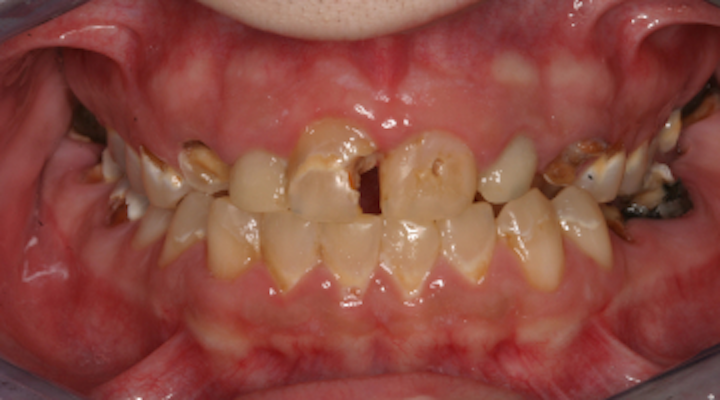
One report found that 195 of these adverse events occurred between the years of 2009 and 2016. (9) However, Dennis Thombs, dean of the School of Public Health at UNT Health Science Center, published a study that concluded the number of vape explosions in the US were most likely underestimated. Thombs estimated that there were 2,035 e-cigarette explosions and burn injuries in the US between 2015 and 2017—more than 40 times the initial estimate by the US government. (8) These injuries are serious and often lead to disfigurement of oral soft tissue (figure 1).

1903defro P01
Figure 1: Oral soft-tissue injuries due to e-cigarette explosion (photo courtesy of Nicole Angemi)

Bottom line

The bottom line is vaping can be just as dangerous, if not more dangerous, when compared with smoking. The problem is that vaping is thought to be a safer alternative to traditional tobacco products, and companies are adding flavoring products to attract younger generations. According to a 2013–2014 survey, 81% of current youth e-cigarette users cited the availability of appealing flavors as the primary reason for use. (10)
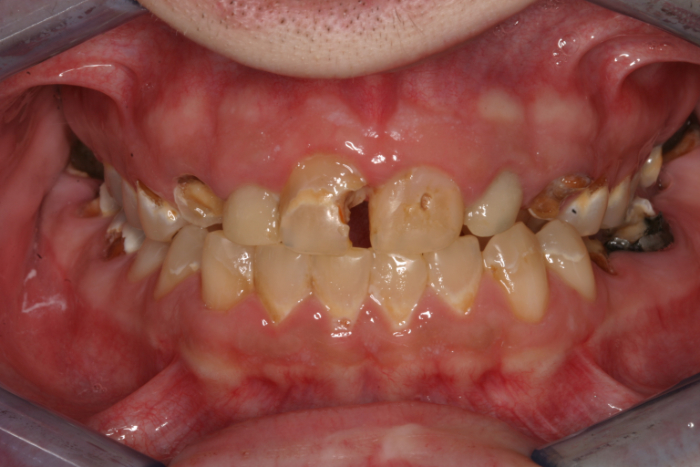
For example, one patient of a general dental practice had a caries-free history for 35 years. He ceased smoking traditional cigarettes and decided to vape as he thought this was a healthier alternative. Within a year, cervical enamel demineralization and interproximal lesions were present on the mandibular anterior sextant, consistent with the primary point of contact of the e-liquid aerosol (figure 2).
19jan10piaclintip01new
Figure 2: Effects of e-cigarette usage
In another example, a young patient had been using e-cigarettes for five years. He started vaping as a method to quit smoking traditional tobacco products thinking vaping was a healthy alternative. Because of its ease of use, he smoked a cartridge of one of the more popular vaping products a day. Admittedly, he also drank energy drinks (high sugar content), stating that his mouth was often dry after vaping. This combination led to rampant decay with smooth-surface lesions and future tooth loss (figure 3).
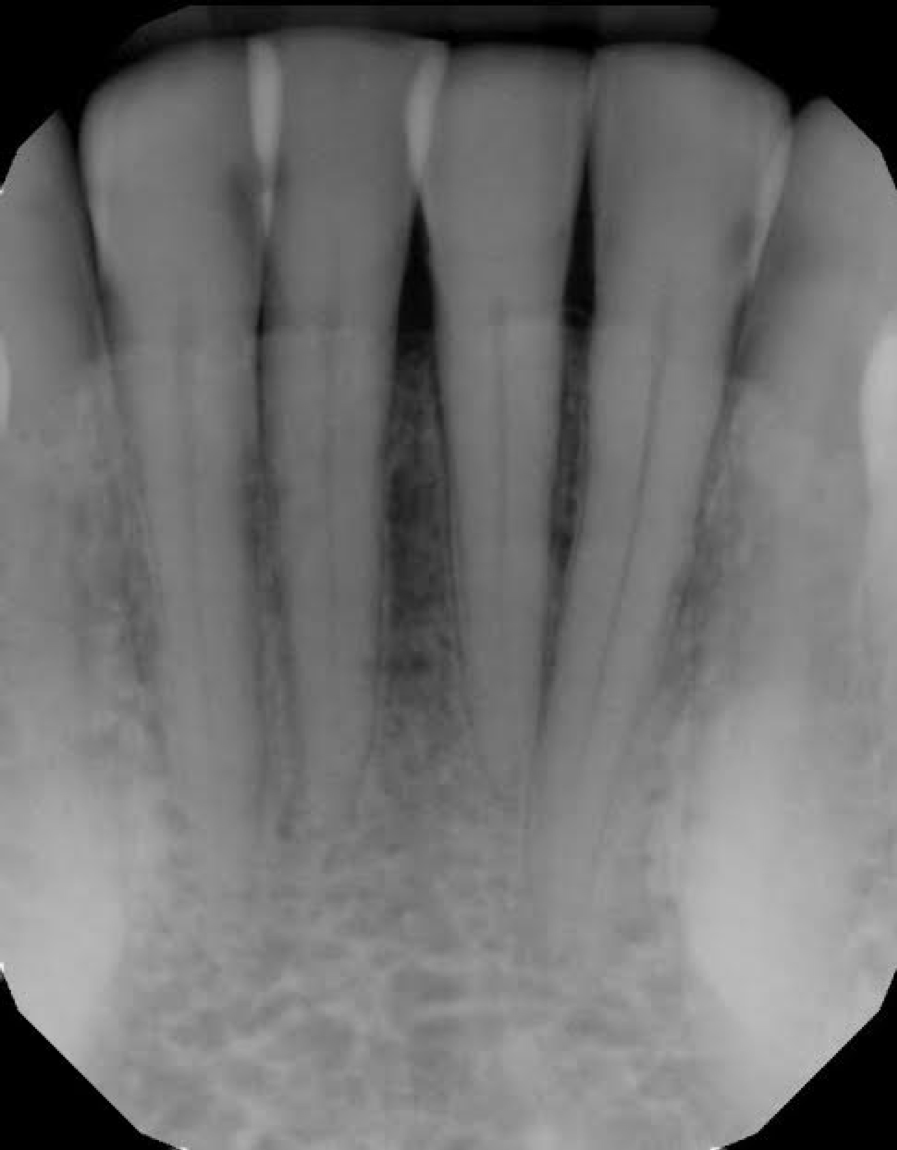
Figure 1 Vaping Oral Health Dentistry
Figure 3: Effects of e-cigarettes
Many advocates of vaping claim that e-cigarette use and vaping poses 5% the health risks of traditional tobacco smoking and claim its use to be helpful in getting people to quit. (11) This particular use does have merit and has helped many individuals quit smoking. Unfortunately, these studies have only analyzed e-cigarette use in former smokers using vaping as a way to stop smoking. The studies have not looked at the health effects of nonsmokers who start vaping because of the perceived innocuous health effects and because it "tastes yummy." In addition, these studies have not looked at vaping in middle school and high school individuals, the group where e-cigarette use is increasing the most in percentage of use. Because of this, a tidal wave of oral health problems is heading our way.


Wednesday, January 1, 2020

Benefits Of Flossing

Benefits Of Flossing Your Teeth

Benefits Of Flossing
How many times have you been to the dentist and been asked whether you
 floss regularly? And how many times have you been able to answer
truthfully
 that you do? Probably not very often. In fact, a recent study found that
only 
half of Americans floss daily, and as many as 18.5% don’t floss at all –
that’s 
nearly one out of every five people!
The American Dental Association recommends flossing your teeth every
 day,
 in addition to brushing them twice a day. But what benefits does flossing 
actually give you? Especially if you are already brushing your teeth twice
 a 
day, as recommended by dental professionals. We are going to discuss the 
benefits of flossing your teeth and how you can make it easier and less
painful
for yourself.
Table Of Contents [show]

Flossing Your Teeth Removes And 

Prevents  Dental Plaque


Flossing Plaque
Flossing in between your teeth means you are cleaning the areas that your 
toothbrush (yes, even your smart electric toothbrush) cannot reach. This
 prevents
the build-up of plaque, which is a sticky coating which forms on your teeth.
Plaque
 is made up of bacteria and sugars. It is constantly forming, and it is
colorless, so it can quickly build up without you realizing.
As plaque is colorless, it is easy for you to assume that simply brushing
your teeth twice a day is enough. Why would you do more if your teeth are 
fine as they are?
 But the problem is that if you leave plaque, it will harden and turn into tartar,
 which is a yellow or brown color. Once you have tartar on your teeth, you
 will only remove it by visiting your dentist for a scale and polish.
Different people make plaque at different rates, so therefore tartar will form 
at different rates too. Even if you cannot see the plaque, you can notice that 

after flossing, your smile appears brighter and cleaner.
As tartar builds up, it can cause gingivitis, which is the swelling of
 your gums, which is the first stage of gum disease. The plaque and 
tartar can easily travel downbelow  the gum line, where the bacteria
 they carry can cause severe gum disease, which is
 also known as periodontal disease. Gum disease might not mean
 much to you, but it can become very painful, and will eventually lead
 to tooth decay and  eventually tooth loss.

Flossing Prevents Gum Disease


Prevent Gum Disease
By removing plaque from between your teeth and along/below
 the gum line where your tooth brushing cannot reach, you are
 reducing your chance of gum disease. Periodontal disease affects
 as many as half of adults, and while some people are more prone
 to it than others, it can affect anyone.A study on twins in 2008
 compared the effects of flossing and not flossing associated with
 periodontal disease. The study found that the group which flossed
 their teeth had significantly lower numbers of bacteria associated
 with gum disease than the group which did not floss.

Good Oral Hygiene Keeps You Healthy

Keeping your mouth healthy is an important part of keeping yourself
healthy overall. Periodontal disease has been linked to many chronic
 illnesses, in particular, chronic heart disease. In fact, it is thought
 that those who have periodontal disease are nearly twice as likely
 to have heart disease.There have been a number of studies 
looking into
 the links between gum disease and heart disease. It is thought 
that the bacteria causing gum disease can enter the bloodstream,
 where it attaches to fatty deposits. This can cause bloodclots 
which can then cause heart attacks or stroke. It can also cause
 swelling in the blood vessels, causing them to harden, which
 means your heart has to work harder to pump theblood around
 the body, meaning you can get raised blood pressure.Gum
 disease has also been linked to other illnesses, although the
 causes have not all been determined. Patients with diabetes may
 find that it is harder to control their blood sugar level if they have
unhealthy gums than those who havehealthy gums,and the bacteria
 in gum disease can cause or exacerbate lung conditions, particularly
 in elderly people. Poor oral health in pregnant women has also been
linked to premature births, meaning babies are born with lower birth
weights.
So it is not just your teeth you are looking after when you brush and floss, 
it is your overall, long-term health, and potentially that of your unborn child. 
Surely spending an extra minute or two a day on your tooth care routine is 
worth it!

Flossing Makes Brushing Your Teeth More Effective


Brushing Your Teeth
The combination of brushing and flossing your teeth is far better
 than just brushing them. Ideally, the best time to floss your teeth, 
as recommended by dentists, is before you brush them.This is
 because it will not only loosen and remove plaque but also remove
 food debris from between your teeth that would otherwise block the
action of the toothbrush. By removing these from your teeth and gums
 before you rush, it also enables the toothpaste to reach more areas
 within your mouth, so the fluoride can have a greater effect on
 strengthening your tooth enamel.This goes for using mouthwash too.
 After you have flossed and brushed your teeth,
 you can use a fluoride-based mouthwash to finish off your teeth-
cleaning routine.
 This will give your teeth a little more resilience against cavities,
and it has an 
antibacterial action to reduce germs in your mouth which can cause
 plaque build-up.

Flossing Can Save You Money

By ensuring you floss and brush your teeth regularly, as
 recommended, as well as having regular dental check-ups,
 you are doing all you can to prevent gum disease
 and tooth decay. This will save you a huge amount of money,
 as the cost of one filling along can be in the $100s!
Flossing takes very little time or effort and can easily form part of
 your daily tooth
 ritual. An extra minute or two per day will be well worth it when
 you don’t have to pay for painful fillings or tooth extractions.
You can make it even easier for yourself by getting a water flosser,
which is a great
 alternative if you don’t like using traditional dental floss. If you
would like to know
 more about water flossing and see our reviews of some of the
best water flossers around, take a look at our buyer’s guide.

Flossing Keeps Your Smile Clean!

This is probably the most obvious one. Many people only think
 to use floss when we have something stuck in our teeth. Flossing
 is one of the most effective ways of getting rid of stubborn food 
debris from between our teeth. It is great for people with braces
 too,  although flossing with regular dental floss is harder when
 you have to navigate around braces. Other methods of flossing
 are better for this, such as water flossing,
How Else Can I Keep My Mouth Healthy?


Dental Health
Maintaining good oral hygiene practices is the most important
 way to ensure your mouth is healthy. By ensuring dental
 bacteria and plaque build-up is kept to a minimum, you will
 be well on the way to having a healthy mouth. But there are 
other lifestyle considerations which you should take on board too:
  • Low sugar diet – the bacteria that cause plaque love 
  • sugar as it helps them to respire. Try to limit your sugar
  •  intake, as well as cutting down on particularly
  •  starchy or sticky foods. Eating a well-balanced diet will
  •  boost your immune system and give your body the best
  •  resistance against bacteria.
  • Limit acidic foods and drinks – acidic products such
  •  as orange juice
  •  and sodas 
  • weaken the minerals in your tooth enamel, causing cavities
  •  and tooth decay.
  • Stop smoking – smoking causes tooth staining, tooth decay
  •  and bad breath. 
  • Smokers produce more plaque which causes a greater build-up
  •  of tartar, meaning they are more likely to get gum disease.
  •  Smoking also puts you at higher risk of oral cancers.
  • Manage stress – stress is proven to negatively affect
  •  your body in many ways. Stress can cause gum disease
  •  to be harder to treat as it weakens your immune
  •  system and therefore lowers your resistance to illness.
  • In addition to these lifestyle factors that you can actively
  •  manage, it is good to be aware that certain times your body
  •  will be less resistant to gum disease.
  •  Hormone fluctuations such as during puberty, pregnancy
  •  or the menopause can put you at higher risk because
  •  they can affect the composition of your saliva. Some
  • medications can also cause changes in your mouth,
  •  such as reduced saliva, which means it is easier for
  •  plaque to build up.Reduced immunity caused by other
  •  diseases or treatments can also make you more likely
  •  to get gum disease, for example, if you are going through
  •  cancer treatment or taking anti-resistance drugs after an
  •  organ transplant.
  • Conclusion
  • You should now have more of an understanding of why
  •  flossing your teeth is so important and how you can 
  • maximize your oral health. If you are interested in buying 
  • a water flosser, take a look at our reviews of the products
  •  we feel are the best devices around.
  • Below copy and paste to browser: Monkeys that Floss.
  • https://youtu.be/YfiB88WmaII


Sunday, December 1, 2019

Oral Health

Oral health: A window to your overall health


Your oral health is more important than you might realize. Learn how the health of your mouth, teeth and gums can affect your general health.
By Mayo Clinic Staff
Did you know that your oral health offers clues about your overall health — or that problems in your mouth can affect the rest of your body? Protect yourself by learning more about the connection between your oral health and overall health.

What's the connection between oral health and overall health?

Like other areas of the body, your mouth teems with bacteria — mostly harmless. But your mouth is the entry point to your digestive and respiratory tracts, and some of these bacteria can cause disease.
Normally the body's natural defenses and good oral health care, such as daily brushing and flossing, keep bacteria under control. However, without proper oral hygiene, bacteria can reach levels that might lead to oral infections, such as tooth decay and gum disease.
Also, certain medications — such as decongestants, antihistamines, painkillers, diuretics and antidepressants — can reduce saliva flow. Saliva washes away food and neutralizes acids produced by bacteria in the mouth, helping to protect you from microbes that multiply and lead to disease.
Studies suggest that oral bacteria and the inflammation associated with a severe form of gum disease (periodontitis) might play a role in some diseases. And certain diseases, such as diabetes and HIV/AIDS, can lower the body's resistance to infection, making oral health problems more severe.

What conditions can be linked to oral health?

Your oral health might contribute to various diseases and conditions, including:
  • Endocarditis. This infection of the inner lining of your heart chambers or valves (endocardium) typically occurs when bacteria or other germs from another part of your body, such as your mouth, spread through your bloodstream and attach to certain areas in your heart.
  • Cardiovascular disease. Although the connection is not fully understood, some research suggests that heart disease, clogged arteries and stroke might be linked to the inflammation and infections that oral bacteria can cause.
  • Pregnancy and birth complications. Periodontitis has been linked to premature birth and low birth weight.
  • Pneumonia. Certain bacteria in your mouth can be pulled into your lungs, causing pneumonia and other respiratory diseases.
Certain conditions also might affect your oral health, including:
  • Diabetes. By reducing the body's resistance to infection, diabetes puts your gums at risk. Gum disease appears to be more frequent and severe among people who have diabetes.
    Research shows that people who have gum disease have a harder time controlling their blood sugar levels. Regular periodontal care can improve diabetes control.
  • HIV/AIDS. Oral problems, such as painful mucosal lesions, are common in people who have HIV/AIDS.
  • Osteoporosis. This bone-weakening disease is linked with periodontal bone loss and tooth loss. Certain drugs used to treat osteoporosis carry a small risk of damage to the bones of the jaw.
  • Alzheimer's disease. Worsening oral health is seen as Alzheimer's disease progresses.
Other conditions that might be linked to oral health include eating disorders, rheumatoid arthritis, certain cancers and an immune system disorder that causes dry mouth (Sjogren's syndrome).
Tell your dentist about the medications you take and about changes in your overall health, especially if you've recently been ill or you have a chronic condition, such as diabetes.

How can I protect my oral health?

To protect your oral health, practice good oral hygiene daily.
  • Brush your teeth at least twice a day with a soft-bristled brush using fluoride toothpaste.
  • Floss daily.
  • Use mouthwash to remove food particles left after brushing and flossing.
  • Eat a healthy diet and limit food with added sugars.
  • Replace your toothbrush every three months or sooner if bristles are splayed or worn.
  • Schedule regular dental checkups and cleanings.
  • Avoid tobacco use.
Also, contact your dentist as soon as an oral health problem arises. Taking care of your oral health is an investment in your overall health.

Sunday, November 3, 2019

Poor oral health linked to a 75% increase in liver cancer risk


Poor oral health linked to a 75% increase in liver cancer risk

The study, by researchers at Queen's University Belfast, analysed a large cohort of over 469,000 people in the UK, investigated the association between oral health conditions and the risk of a number of gastrointestinal cancers, including liver, colon, rectum and pancreatic cancer. Models were applied to estimate the relationship between cancer risk and self-reported oral health conditions, such as painful or bleeding gums, mouth ulcers and loose teeth.
Whilst no significant associations were observed on the risk of the majority gastrointestinal cancers and poor oral health, a substantial link was found for hepatobiliary cancer.
"Poor oral health has been associated with the risk of several chronic diseases, such as heart disease, stroke and diabetes," explained Dr Haydée WT Jordão, from the Centre of Public Health at Queen's University Belfast and lead author of the study. "However, there is inconsistent evidence on the association between poor oral health and specific types of gastrointestinal cancers, which is what our research aimed to examine."
Of the 469,628 participants, 4,069 developed gastrointestinal cancer during the (average) six-year follow up. In 13% of these cases, patients reported poor oral health. Participants with poor oral health were more likely to be younger, female, living in deprived socioeconomic areas and consumed less than two portions of fruit and vegetables per day.
The biological mechanisms by which poor oral health may be more strongly associated with liver cancer, rather than other digestive cancers, is currently uncertain. One explanation is the potential role of the oral and gut microbiome in disease development. "The liver contributes to the elimination of bacteria from the human body," stated Dr Haydée WT Jordão. "When the liver is affected by diseases, such as hepatitis, cirrhosis or cancer, its function will decline and bacteria will survive for longer and therefore have the potential to cause more harm. One bacteria, Fusobacterium nucleatum, originates in the oral cavity but its role in liver cancer is unclear. Further studies investigating the microbiome and liver cancer are therefore warranted."
Another theory in explaining the higher cancer risk due to poor oral health suggests that participants with a high number of missing teeth may alter their diet, consuming softer and potentially less nutritious foods, which in turn influence the risk of liver cancer2.
Liver cancer is the sixth bigger cancer killer in the EU, claiming the lives of almost 60,000 people per year3. The five-year survival rate for the disease across Europe is just 11%4 and approximately 9 in 10 cases are in individuals over the age of 55 ref media pack3. It is believed that up to half of cases of liver cancer are preventable, with risk factors often relating to lifestyle, such as overweight or obesity, smoking and alcohol consumptio

Sunday, October 6, 2019

7 Vitamins and Minerals Your Mouth Needs

7 vitamins and minerals your mouth needs

Want healthy teeth and gums? Make sure your diet features these key ingredients. These nutritional building blocks are essential for your dental health.

Calcium

No surprises here — calcium is well known as a friend for teeth. Throughout the body, the mineral helps build bones and provide structural support. In your mouth, calcium helps harden your enamel and strengthen your jawbone.
What to eat: In addition to milk, good sources of calcium include cheese, yogurt, broccoli and salmon.

Vitamin D

Vitamin D helps the body absorb calcium while boosting bone mineral density, so it’s crucial to get an adequate amount of vitamin D to get the most out of your calcium intake.
What to eat: Your body naturally makes vitamin D when it’s exposed to sunlight, but the vitamin can also be found in fatty fish, canned tuna and portobello mushrooms. You can also look for foods and drinks that have been fortified with vitamin D, such as milk, orange juice and cereal.

Potassium

Like vitamin D, potassium improves bone mineral density. It also works with magnesium to prevent blood from becoming too acidic, which can leach calcium from your bones and teeth.
What to eat: Bananas are well known sources of potassium, but they’re not alone. Other fruits and vegetables with high levels of the mineral include lima beans, tomatoes, Swiss chard, potatoes, sweet potatoes, avocados and prunes.

Phosphorus

Phosphorus supports calcium in building strong bones and teeth.
What to eat: Luckily, phosphorus is found in a wide range of foods. Rich sources of the mineral include seafood, such as scallops, sardines, cod, shrimp, tuna and salmon. If you’re looking to get your phosphorus from plant-based foods, consider soybeans, lentils and pumpkin seeds. You can also find phosphorus in beef, pork and cheese.

Vitamin K

Think of this vitamin as a shield – it helps block substances that break down bone. It also helps your body produce osteocalcin, a protein that supports bone strength. A vitamin K deficiency can slow down your body’s healing process and make you more likely to bleed.
What to eat: Chowing down on leafy greens, such as kale, collards and spinach, can help you increase your vitamin K quota. Other great sources include parsley, broccoli and Brussel sprouts.

Vitamin C

Vitamin C strengthen your gums and the soft tissue in your mouth. It can protect against gingivitis, the early stage of gum disease, and can prevent your teeth from loosening.
What to eat: You probably already know that citrus fruits are rich in vitamin C, but you can also find it in potatoes and leafy greens.

Vitamin A

This vitamin helps keep mucous membranes healthy. It prevents dry mouth and helps your mouth heal quickly.
What to eat: For strong gums and teeth, load up on fish, egg yolks and liver. You can also find it in leafy green vegetables like spinach, kale and collard greens, or in orange-colored fruits and oranges: think apricots, cantaloupe, pumpkin, carrots and sweet potatoes. These fruits and veggies contain high levels of beta-carotene, which your body converts into vitamin A.

Sunday, September 8, 2019

Why Poor Dental Health Can Put Your Entire Body At Risk

Cavities, gum disease, and bad breath—poor oral hygiene can wreak havoc inside your mouth. However, did you know that poor oral health can affect nearly every part of your body? Because the mouth is a primary entryway into the body, the bacteria in it can easily get into the bloodstream and cause infection and inflammation in other parts of the body. So where exactly does the bacteria go? Here is how poor oral health can affect nearly every part of your body.
Cardiovascular disease
Having poor oral health you at risk for heart disease. If your gums are inflamed due to the bacteria that causes periodontal disease, that same bacteria can actually get into the bloodstream causing the arteries to build up plaque and harden. This puts you at risk for a heart attack.
Dementia
Substances that are released from inflamed gums can actually kill brain cells and lead to memory loss. Dementia may result from gingivitis when the bacteria in the mouth spreads to the nerve channels or enters the bloodstream.
Prostate problems
Men with periodontal disease tend to have higher levels of a condition known as prostatitis. This condition can lead to painful irritation, difficult ejaculation, pain in the perineum, and urination urgency.
Respiratory infections
Bacteria in the mouth from diseased gums can be breathed into the lungs. Once there the bacteria can lead to respiratory infections, pneumonia, and acute bronchitis.
Erectile Dysfunction
Having poor oral hygiene puts you at an increased risk for erectile dysfunction. Bacteria from diseased gums can get into the bloodstream and cause blood vessels to become inflamed. This inflammation can block the flow of blood to the genitals, making erections difficult or even impossible.