Monday, August 5, 2019

Top 10 Foods For A Healthy Mouth


Top 10 Foods For A Healthy Mouth


We’ve been taught to brush twice a day and floss, but eating the right foods also contributes to clean and shiny teeth and gums.
Keep your mouth happy by chomping on these 10 foods.
Elena Elisseeva


We’ve been taught to brush twice a day and floss, but eating the right foods also
contributes to clean and shiny teeth and gums.  Keep your mouth happy by chomping
on these 10 foods.


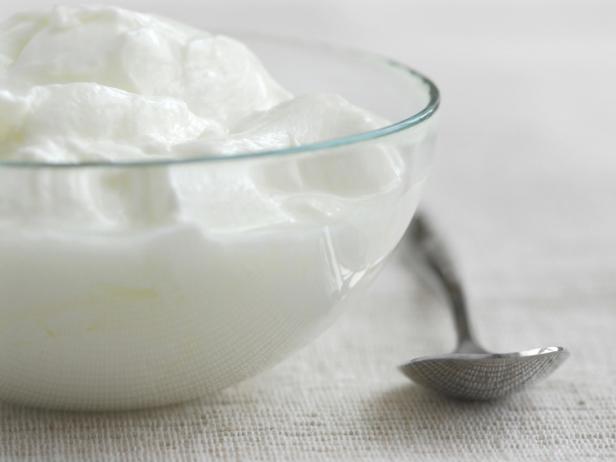
#1 Yogurt


Yogurt gives your mouth a triple bang for the buck. Studies have shown that yogurt
reduces hydrogen sulfide, the chemical associated with bad breath. It also helps reduce
plaque and gingivitis.


#2 Raisins


In the past, sticky foods like raisins were a no-no for healthy teeth. However, recent
 research tells us that the antioxidants found in raisins help reduce the growth of a
certain bacteria that may cause inflammation and gum disease.


#3 Apples


Crunchy fruit like apples, celery and carrots help increase saliva, which help protect
 against cavities by rinsing out the mouth.


#4  Green Tea


Green tea contains antioxidants known as catechins that help lower the risk of the
development of gum disease. A recent Japanese study showed that men who drank
 a cup of green tea every day lowered their risk of gum disease — the more tea
consumed,
the lower the risk.


#5 Whole Grains


A study in the American Journal in Clinical Nutrition found a 23 percent reduction in
 periodontal disease (gingivitis) among men who ate at least 4 servings of whole grains
 per day.


#6 Cinnamon


This spice contains a natural plant oil known as cinnamic aldehyde shown to destroy
bacteria.


#7 Sugarless Gum


Chewing on sugar-free gum that contains the sugar alcohol xylitol helps reduce tooth
decay and gum disease. It can also help (temporarily) mask odors of bad breath.


#8 Citrus Fruit


Fruits and veggies high in vitamin C (like berries, melons and peppers) help create
an acidic environment that discourages bacteria growth in your mouth. Vitamin C
also helps prevent  gingivitis and gum disease — both responsible for smelly breath.


#9 Cranberries


These tart berries help reduce plaque-promoting bacteria, so they don’t start a party
in your mouth. Cherries have been shown to have the same effect.


#10 Mint


We’re talking peppermint -- it helps kill bacteria in the mouth that leads to stinky breath
while giving you that fresh and tingly feeling in your mouth.


Sunday, July 14, 2019

Want Brighter and Whiter Teeth


Want Brighter, Whiter Teeth?


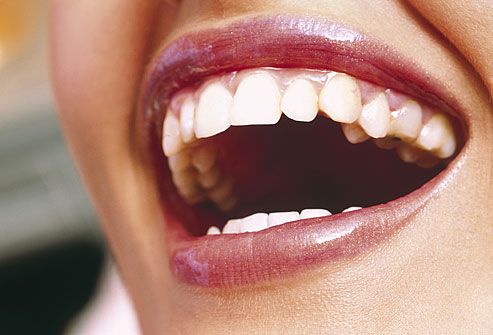
Close up of woman's smile with white teeth
Have your pearly whites lost their luster because of dingy gray or yellow stains? Stained teeth can occur as we age, but some common foods, drinks, and even mouthwashes can stain teeth. Do-it-yourself remedies can help whiten teeth, and avoiding substances that stain teeth can stop further discoloration. Use these secrets to whiter teeth to restore your bright smile.


2/16

Do-It-Yourself Teeth Whitening


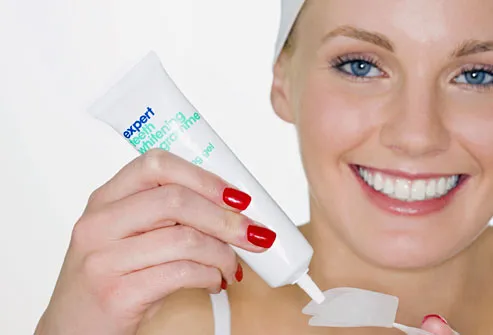
Woman applying tooth whitener to gum shield
You may be able to get rid of superficial stains by yourself. A number of at-home tooth-whitening products -- kits, strips, toothpastes, and rinses-- may lighten stains. There are even some old-fashioned remedies you can try. Tooth-whitening products available on drugstore shelves use mild bleach to brighten yellow teeth. Toothpastes use abrasives and chemicals to remove surface stains. For deep stains, you may need a dentist's help.


3/16

Tooth-Whitening Kits


close-up of two cigarette butts and ashes
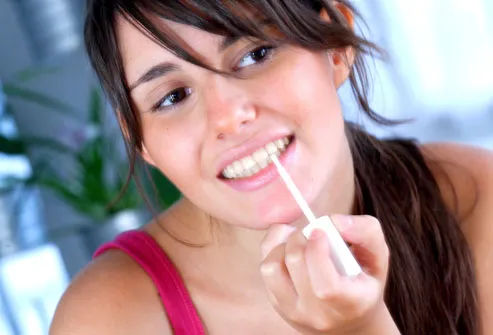
A home tooth-whitening kit contains carbamide peroxide, a bleach that can remove both deep and surface stains and actually changes your natural tooth color. If you have coffee-stained teeth, a tooth-bleaching kit can help. With some kits, you apply a peroxide-based gel (with a small brush) to the surface of your teeth. In other kits, the gel is in a tray that molds to the teeth. The tray must be worn daily (for 30 to 45 minutes) for a week or more.


4/16

Home Whitening Strips


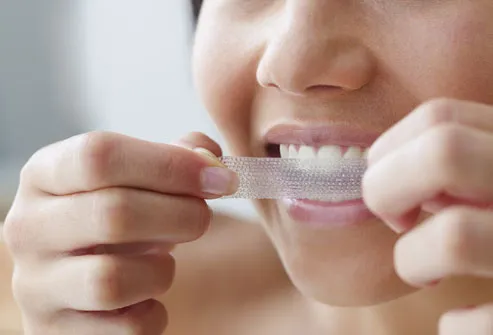
young woman using a teeth whitening strip
Tooth-whitening strips will help get rid of tooth stains. These strips are very thin, virtually invisible, and are coated with a peroxide-based whitening gel. You wear them a few minutes daily for a week or more. Results are visible in just a few days, and last at least a year. The results with strips are not as dramatic as with whitening kits, but the strips are easy to use and pretty much foolproof.


5/16

Whitening Toothpastes and Rinses


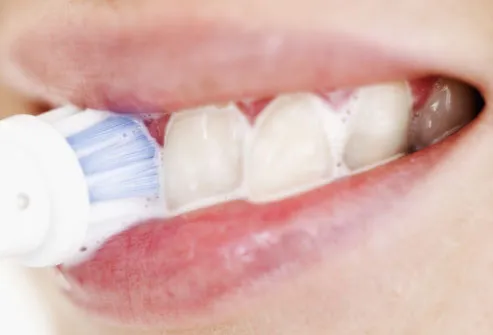
Woman brushing teeth with electric toothbrush
How to get stains off your teeth? Over-the-counter toothpastes, gels, and rinses help remove some surface stains. Many of these products contain mild abrasives, chemicals, or polishing agents. Unlike bleaches, they don't change the natural color of teeth.


6/16

Home Remedies for Whiter Teeth


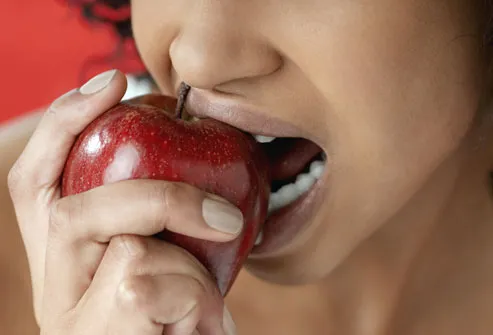
Woman biting into a red apple
Some people still prefer the age-old home remedy of baking soda and a toothbrush to gently whiten teeth at home. Also, some foods such as celery, apples, pears, and carrots trigger lots of saliva, which helps wash away food debris on your teeth. Chewing sugarless gum is a tooth-cleansing action and also triggers saliva. A bonus from all that saliva: It neutralizes the acid that causes tooth decay. With teeth, more saliva is better all around.


7/16

Tooth Whitening and Dental Work


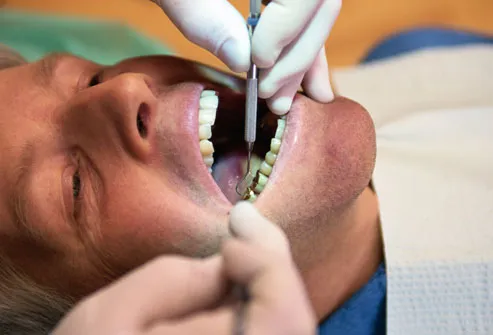
Man with crowns having teeth cleaned by dentist
Approach tooth whitening with caution if you have lots of dental veneers, bonding, fillings, crowns, and bridges. Bleach will not lighten these manufactured teeth -- meaning they will stand out among your newly whitened natural teeth. In order to match your whiter teeth, you may need to investigate new dental work, including veneers or bonding.


8/16

Preventing Teeth Stains


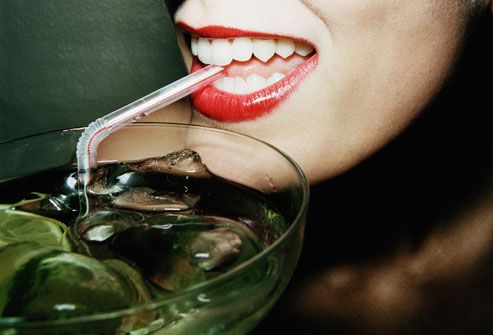
Young woman with drink, straw between teeth
As we age, the outer layer of tooth enamel wears away. The underlying layer, called dentin, is yellower. That's why it's important to try to avoid staining teeth in the first place, especially after whitening. If you take care with foods and drinks that discolor teeth, the results of whitening may last up to one year. Whitening teeth too often could make them look translucent and blue, so you'll want to maintain your new smile.


9/16

To Keep Teeth White, Don't Light Up


close-up of two cigarette butts and ashes
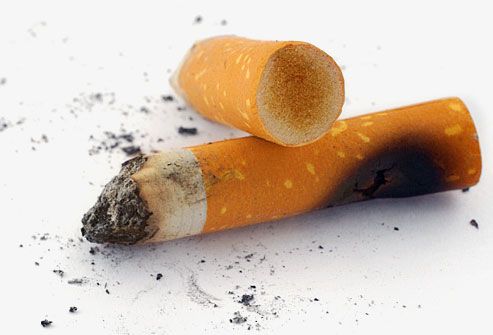
Not only is it bad for your health, smoking is one of the worst offenders when it comes to staining teeth. Tobacco causes brown stains that penetrate the grooves and pits of tooth enamel. Tobacco stains can be hard to remove by brushing alone. The longer you smoke, the more entrenched the stains become. Smoking also causes bad breath and gingivitis (gum disease), and increases the risk of most types of cancer.


10/16

Foods that Cause Teeth Stains


Cup of black coffee, close-up
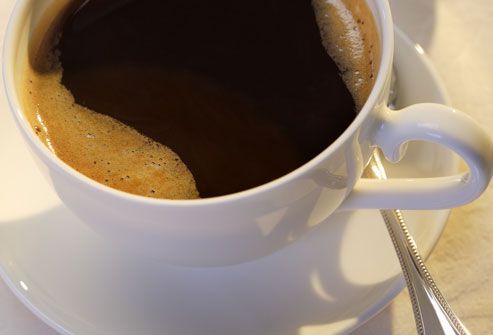
There's another reason to watch what you eat. Some common foods can discolor teeth. Here's an easy way to tell if a food might be at fault: Anything that can stain a white cotton T-shirt can stain teeth, say dentists. Coffee stains teeth, for example. Other top offenders are beverages such as tea, dark sodas, and fruit juices. These teeth stains develop slowly and become more noticeable as we age.


11/16

Think As You Drink


Red wine being poured into glass, close-up
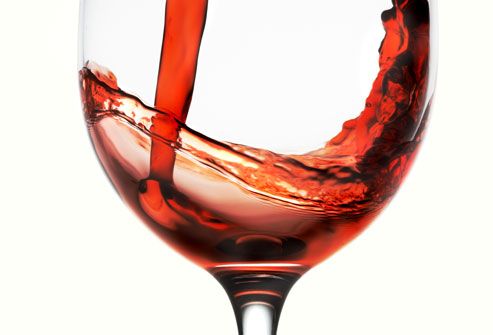
They may be packed with disease-fighting antioxidants, but a glass of red wine, cranberry juice, or grape juice also stains teeth easily. That doesn't mean you should give them up, but remember to rinse your mouth after you drink. These aren't the only teeth-staining foods to be aware of.


12/16

More Foods That Stain Teeth


Blueberries, blackberries and currants in a bowl
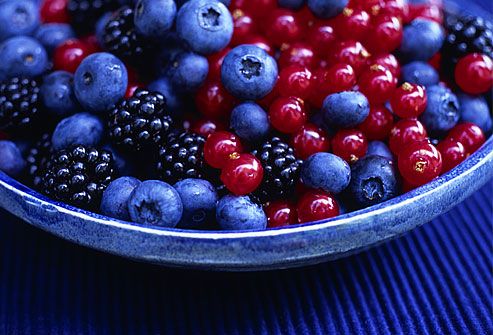
The deep color of these fruits and veggies gives them their nutritional punch. But blueberries, blackberries, and beets leave their color on teeth as well. Eat up for your health, and prevent tooth stains by:
  • Brushing teeth immediately after eating.
  • Rinsing your mouth with water.


13/16

Sports Drinks Tough on Teeth?


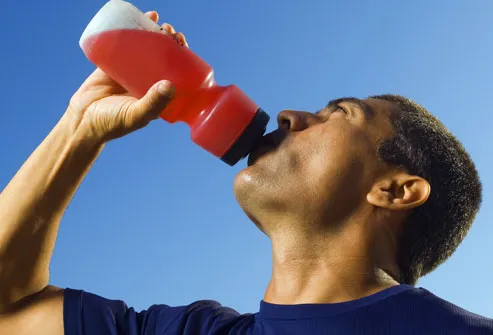
Man drinking sports drink from squeeze bottle
While all sweetened drinks are bad for teeth, some energy and sports drinks may be worse, according to one study in General Dentistry. Researchers found that these drinks -- as well as bottled lemonade -- may erode tooth enamel after long-term use. The result is thin, translucent, discolored teeth. To prevent tooth erosion:
  • Don't sit and sip these drinks for a long time.
  • Rinse your mouth with water when you finish drinking.


14/16

Medications That Can Stain Teeth


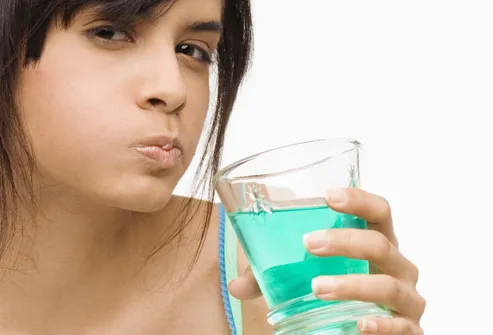
Young woman gargling with blue mouthwash
The antibiotic tetracycline causes gray teeth in children whose teeth are still developing. Antibacterial mouthwashes that contain chlorhexidine or cetylpyridinium chloride can also stain teeth. Some antihistamines, antipsychotic drugs, and blood pressure medications cause tooth stains, as can iron and excess fluoride. If bleaching doesn't help, ask your dentist about dental bonding, in which a tooth-colored material is applied to teeth.


15/16

Don't Forget Daily Maintenance


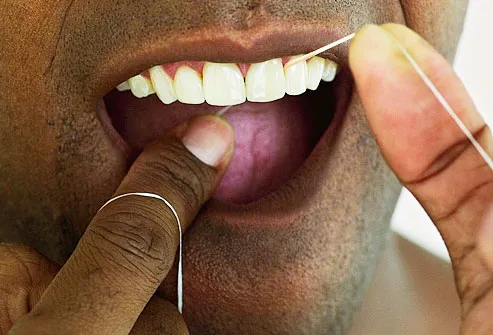
man cleaning his teeth with dental floss
One simple strategy can help maintain white teeth: brush. Brush at least twice daily. Even better, brush after every meal and snack. Brushing helps prevent stains and yellow teeth, especially at the gum line. Both electric and sonic toothbrushes may be superior to traditional toothbrushes in removing plaque and surface stains on teeth. Also, don't forget to floss and use an antiseptic mouthwash daily.


16/16

Open Wide and Say 'Whiter Teeth!'


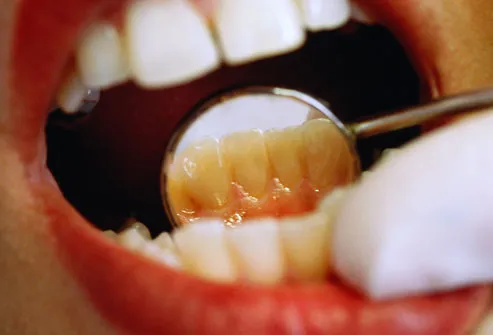
Dental patient's mouth being inspected with mirror
See your dentist for regular checkups and professional cleaning. The abrasion and polishing methods dentists use can remove many teeth stains caused by food and tobacco.

Monday, June 10, 2019

Drinks that can harm your Teeth

Wine, Fruit Juice, Soda — 

Which Drinks Can Harm Your 

Teeth?

Much of what you drink, including diet drinks and sports drinks, 

can damage your teeth. To keep your mouth healthy, try these 

strategies for choosing drinks.

Thinkstock (3)
Aside from what you eat, what you drink has a big impact on your oral
When you drink a liquid, you’re essentially bathing your teeth in that
 beverage.  And many drinks pose a hazard to your dental health similar 
to that of sweet treats such as candy and chocolate.
When it comes to your diet, there are two chief threats to the health of
 your teeth: sugar, which promotes the growth of bacteria in your mouth
 and damages enamel, and acid, which also harms enamel. Both are 
found in a variety of popular foods and drinks.

Top Beverages That Can Harm Your Teeth

Edmond R. Hewlett, DDS, a professor at the UCLA School of Dentistry 
and a consumer adviser for the American Dental Association, says he 
won’t touch fruit juice — it’s high in sugar and can also be quite acidic.
 This category of drink includes smoothies, since many are made with
 citrus fruits, which are acidic, and fruits  that are high in sugar.
“Once sugar hits the mouth,” says Dr. Hewlett, “bacteria are very 
effective and quick.”
Another thing to consider is the sugar you add to your coffee or tea. 
This sugar  does more harm than the coffee or tea itself, which isn’t 
acidic enough to cause as much damage as many people believe.
“However,” says Hewlett, “do keep in mind that coffee and tea will 
stain your teeth.” To help prevent staining, he recommends that you
 run a wet toothbrush over your teeth or at least rinse your mouth out 
with water after drinking these beverages. This can help slow the amount
 of staining over  time.
Wine also contains acid, but Hewlett says only excessive wine consumption
 puts your tooth enamel at risk. However, like coffee and tea, it can stain 
your teeth, and drinkers might want to consider rinsing with water after 
 to reduce the  amount of staining over time.
Many people rightly believe that regular soda is bad for the teeth because 
of its
 high sugar content. But sodas, as well as diet sodas and diet sports drinks, 
can also cause significant harm to tooth enamel because of the acid they 
contain.
“These drinks often contain phosphoric or citric acid to make them tangy 
and 
taste good,” says Hewlett. “Soda actually contains an acid that dentists 
use to 
rough up enamel before administering bonding treatment.”

It’s Not Just What You Drink But How You Drink It

Keeping your teeth healthy while you drink involves more than just 
making the right choices of what to drink.
If you drink slowly, you allow the liquid to have more contact with your 
teeth. 
If you nurse a diet soda throughout the day, for example, or sip a sugary
 latte during your hour-long commute, the damage to your teeth can be 
much greater than if you finish your beverage quickly.
Drinking with a straw can help reduce damage to tooth enamel — it seems 
to help by allowing harmful substances to bypass the teeth, Hewlett says. 
Still, he advises that it’s better to avoid harmful drinks altogether.
Also, if you tend to chew ice that’s in your beverage, Hewlett advises that 
you break the habit. Over time, chewing ice can cause tiny cracks in your
 teeth, weakening them; and eventually, “a chunk of your tooth can even 
break off when you least expect it,” he explains.

Drink Tips to Promote Healthy Teeth

When it comes to choosing what to drink, you can take steps to keep
 your teeth strong and healthy. Start with these strategies:
  • Drink fruit juices and smoothies with a straw and aim to finish 
  • them in one sitting as opposed to sipping them slowly.
  • Put little or no sugar in your coffee, particularly if you tend to
  •  nurse it.
  • Drink regular and diet sodas and sports drinks sparingly, and
  •  don’t allow  yourself to sip them for prolonged periods.
  • Use a straw when it makes sense, to help avoid bathing your teeth in
  •  harmful sugary or acidic liquids.
  • Use a wet toothbrush or rinse your mouth out with water after 
  • you drink acidic beverages or anything that might stain your teeth, 
  • such as wine, coffee, and tea.
  • Don’t chew ice.
  • When in doubt, choose water.